

It can be beneficial to combine some serums with active ingredients as they can work together to rejuvenate your complexion. However, this isn't always the case. Mixing certain active ingredients can have adverse effects, either diminishing the effectiveness of the treatments or causing harm to your skin like redness and inflammation. Here are the skincare products you should never mix.
Retinol + AHAs/BHAs
Retinol has excellent anti-aging and cell regenerating properties, along with mild exfoliating effects. Combining it with stronger exfoliants like AHAs or BHAs increases your risk of irritation. Acids typically function at a low pH, and combining them with retinol may increase the pH of the acid serum, which decreases its effectiveness.
Retinol + Vitamin C
Vitamin C increases skin sensitivity because it's an exfoliating agent with a low pH that helps slough off dead skin cells. That means a brighter complexion underneath, but at the cost of temporary sensitivity. While retinol itself isn't an exfoliant, it does promote skin cell turnover which can cause mild peeling. Pairing retinol with vitamin C is asking for trouble - not only will using both make your skin more sensitive to the sun, it can also lead to irritation and inflammation.
We recommend using vitamin C serums during the day and retinol at night, or alternating them by day.
Vitamin C + AHAs/BHAs
Vitamin C is already an excellent exfoliating agent that promotes cell turnover and brightens your complexion. Pairing it with other exfoliants is excessive and can lead to irritation, skin peeling, and inflammation. Best to keep these ingredients separate.
Glycolic Acid + Salicylic Acid
These acids work similarly - glycolic acid is an AHA while salicylic acid is a BHA. They both regulate sebum production, clear pores and congestion, minimise breakouts, and improve collagen synthesis. Since both have a low pH, combining them can double the potency which will definitely cause skin peeling and chemical burns. Keep them away from each other.
Using Oil-Based Serums First
The rule is to always apply water-based serums first. Oil-based serums can create a fine film over your face if used first, which prevents absorption of water-based serums. Water and oil don't mix, so make sure you start with water-based products.
Which Products Should You Use Together?
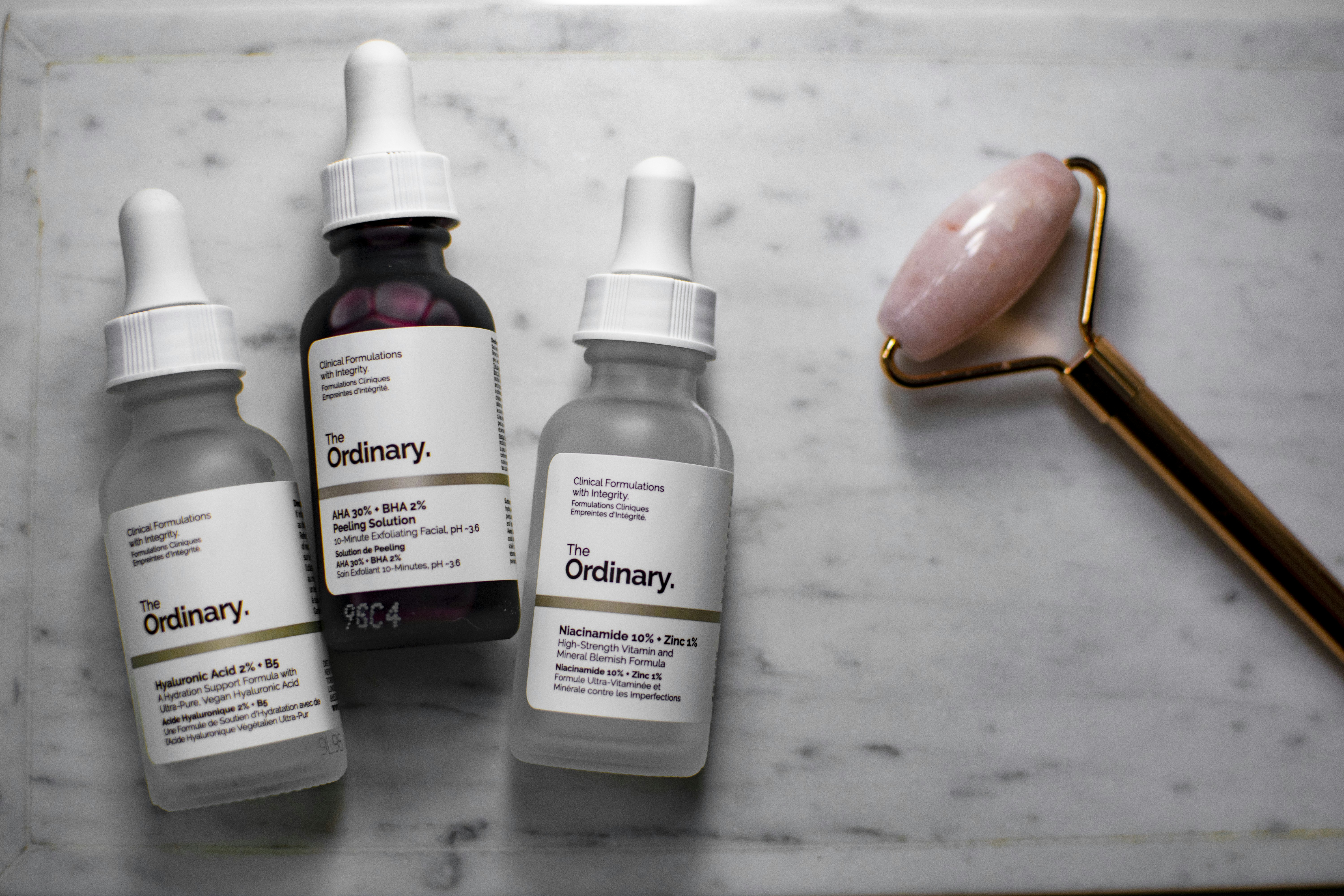
Photo by Okan Younesi on Unsplash
There are many products you shouldn't mix, but there are also plenty that work in harmony to deliver great results. Here are some safe combinations:
Hyaluronic Acid + Retinol (Hyaluronic Acid + Most Things, Really)
Hyaluronic acid is a miracle hydrator that can hold up to 1000 times its weight in water. It's also a humectant, meaning it draws water from surrounding areas to provide hydration where it's needed. These excellent hydration properties can also slow down and reverse aging.
Using hyaluronic acid with retinol helps combat the dryness associated with retinol use and can soothe the skin.
Using hyaluronic acid with AHAs or BHAs helps reduce dryness and minimise irritation. It's important that you moisturise when using exfoliating acids to avoid damaging your skin.
AHAs/BHAs/Vitamin C + SPF
Exfoliating acids can increase sensitivity to sunlight. It's recommended that you avoid direct sunlight when using these acids, as it can damage the skin or diminish the effectiveness of the treatments. If you have to be in sunlight, apply an even coverage of SPF at the end of your skincare routine.
Vitamin C + Niacinamide
It's actually a common misconception that vitamin C and niacinamide cannot be used together. Niacinamide is an excellent blemish-reducing agent that helps regulate sebum production. Pair it with an exfoliant like vitamin C and you have a winning combination - reduced pore size, brighter and tighter skin, and reduced appearance of fine lines.
To Sum It Up
Do NOT mix:
- Retinol + AHAs/BHAs
- Retinol + Vitamin C
- Vitamin C + AHAs/BHAs
- Glycolic Acid + Salicylic Acid
DO mix:
- Hyaluronic Acid + Retinol
- Hyaluronic Acid + AHAs/BHAs
- Hyaluronic Acid + Vitamin C
- SPF + AHAs/BHAs/Vitamin C
- Vitamin C + Niacinamide
Consider printing out this list and putting it on your skincare shelf for easy access. Your skin will thank you for it.
Frequently Asked Questions
What happens if I accidentally mix ingredients that shouldn't be combined?
If you've mixed incompatible ingredients and notice redness, stinging, or irritation, stop using both products immediately. Switch to a gentle, fragrance-free cleanser and moisturiser until your skin calms down. If irritation persists or worsens, consult a dermatologist.
Can I use retinol and vitamin C in the same routine if I use them at different times?
Yes, this is actually recommended. Use vitamin C in the morning (it pairs well with sunscreen) and retinol at night. You can also alternate days if your skin is sensitive. This gives each ingredient time to work without interference.
How long should I wait between applying different serums?
Wait about 15 to 30 seconds between each product to allow for absorption. For water-based products, apply them in order of consistency (thinnest first), then wait before moving to thicker creams or oils.
Are there any safe combinations that enhance each other's effects?
Yes, several combinations work well together. Hyaluronic acid pairs with almost everything and helps reduce irritation from actives. Niacinamide and vitamin C can work together despite old myths. SPF should always be combined with exfoliating acids to protect newly revealed skin.
What should I do if I'm not sure whether ingredients are compatible?
When in doubt, keep it simple. Use one active ingredient at a time, especially when starting a new product. Patch test first, and introduce products gradually. If you're building a routine, consider consulting a dermatologist or aesthetician for personalised advice.