Obviously Skincare
Independent UK skincare guides · Nobody pays to be included
Know what’s in it.
Know what works.
Plain-English guides to skin concerns and ingredients, checked against the research, plus free tools that read a label for you.
What do you want help with?
Best Tinted Moisturisers in the UK: How to Choose, and Eight to Consider
How to choose a tinted moisturiser in the UK by skin type, finish, shade range and SPF, with eight options from budget to luxury, each checked in detail.
Most searched
What actually clears spots, what only hides them, and when to see a GP.
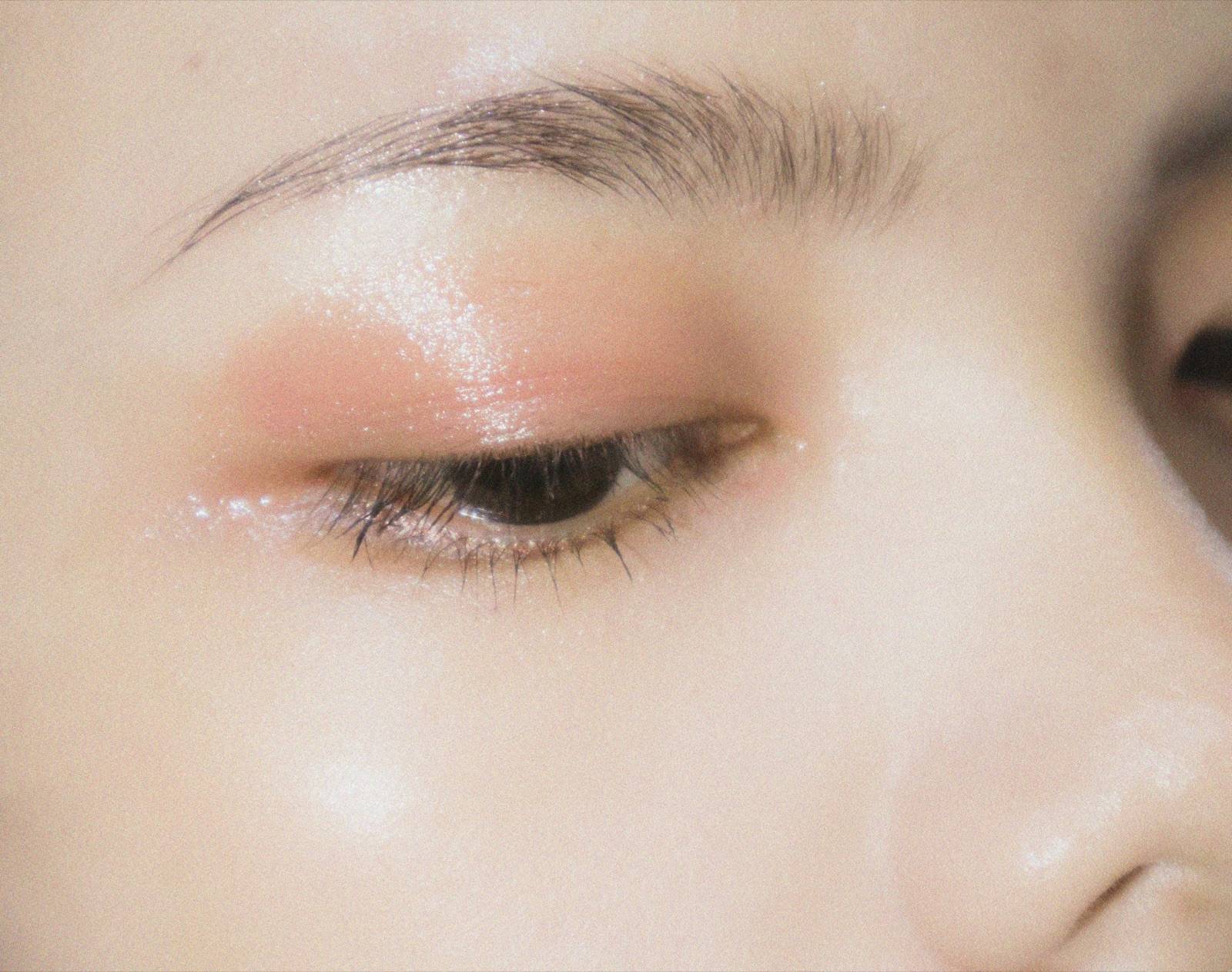
A Simple Skincare Routine for Acne That Actually Works
A minimal morning and evening routine for acne-prone skin: which cleanser, which treatment (salicylic acid, benzoyl peroxide, azelaic acid or a retinoid), moisturiser and SPF.

Closed Comedones
Closed comedones are small, flesh-coloured bumps caused by blocked pores.

Tiny Bumps on Your Forehead
Small bumps on the forehead are usually closed comedones, fungal acne, milia or a reaction to a product.
Adapalene vs Tretinoin
Adapalene and tretinoin are both prescription retinoids in the UK. How they compare for acne, wrinkles, irritation and stability.
Shine control that does not strip, and what pore products can realistically do.
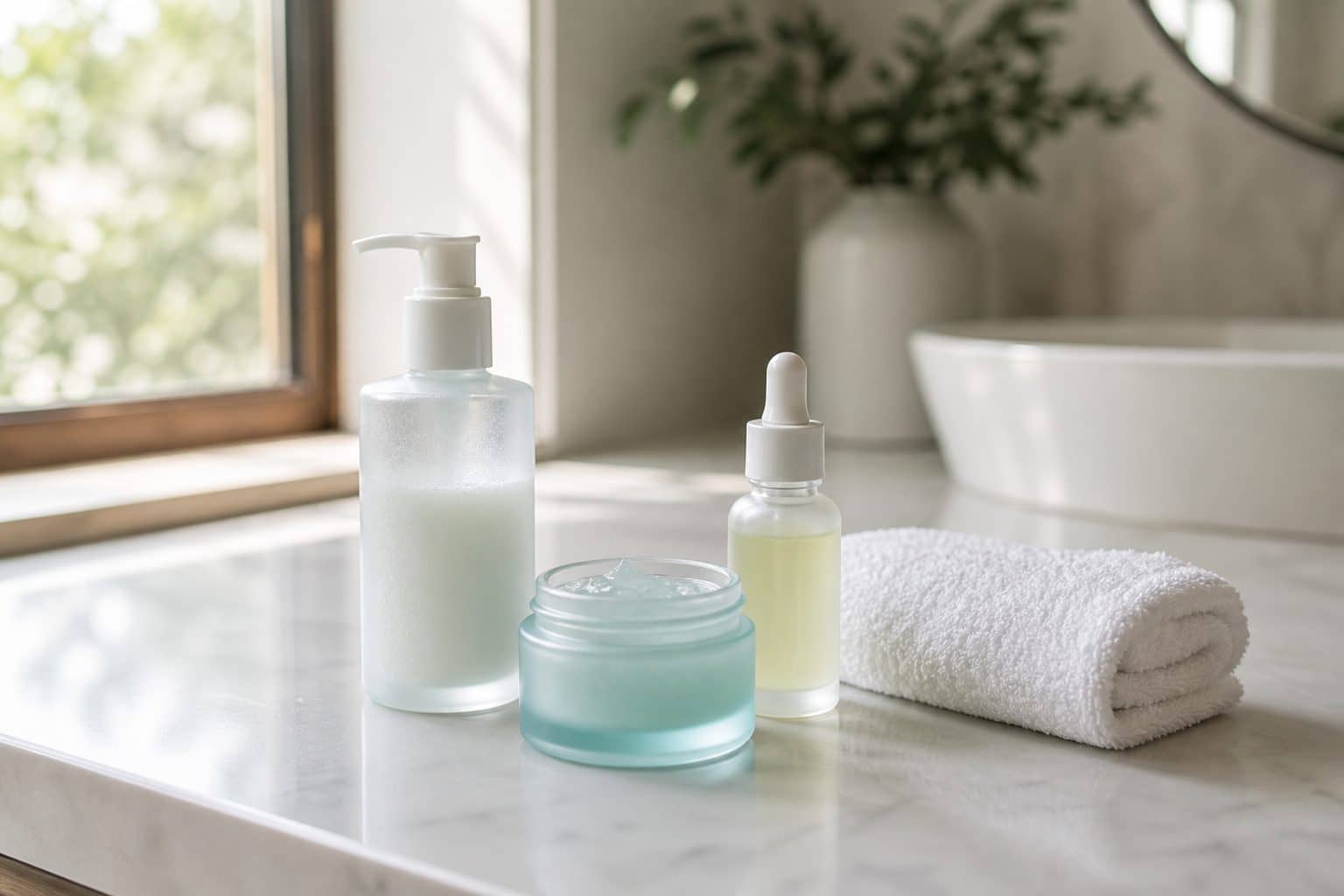
Best Oily Skin Care Routine
The best oily skin care routine for calmer, clearer skin: a simple AM and PM plan using gentle cleansing, salicylic acid, moisturiser and reliable daily SPF.
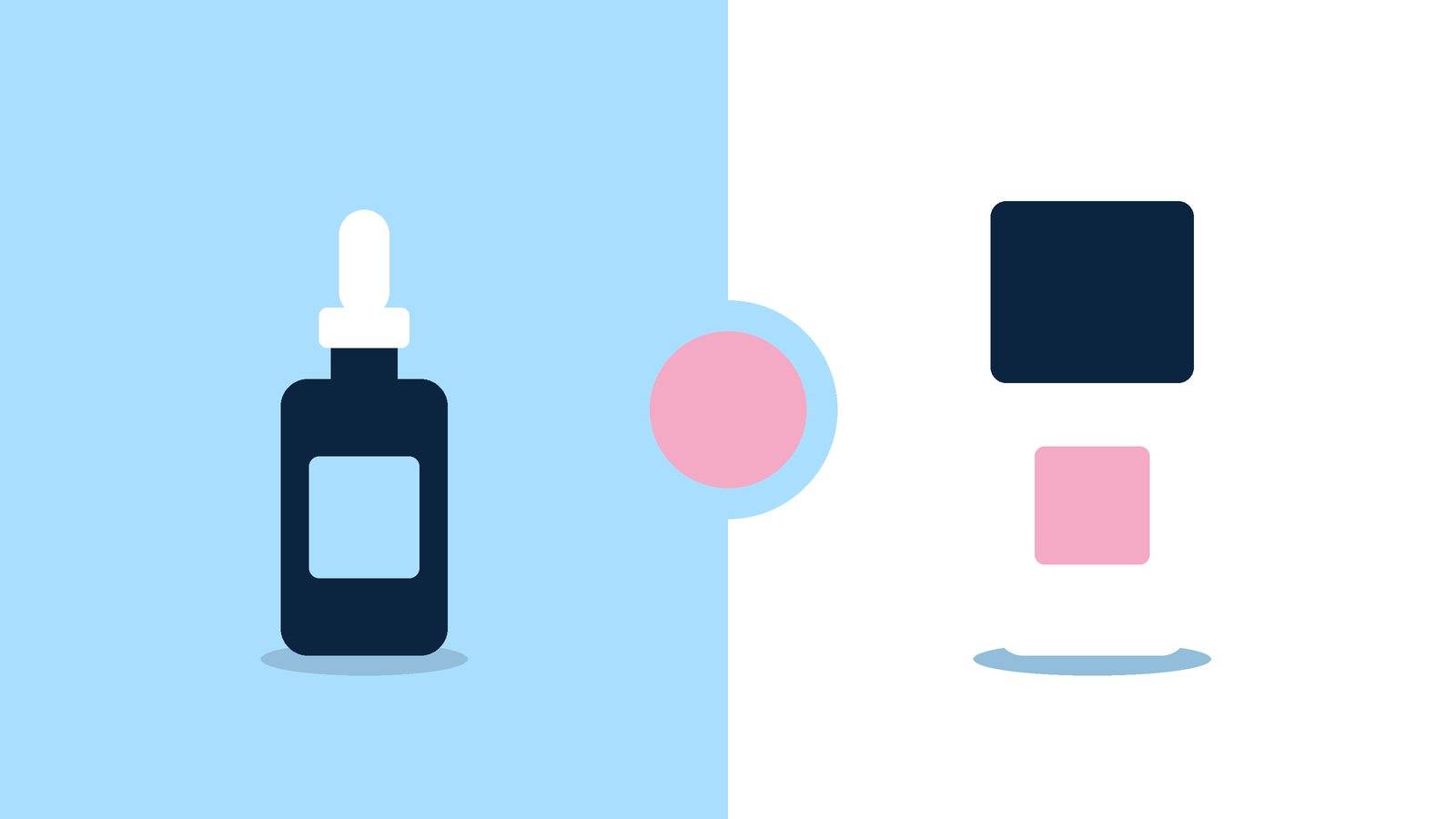
Glycolic Acid vs Salicylic Acid
Glycolic acid works on the skin's surface for dullness and texture; salicylic acid works inside pores for blackheads and spots.

Textured Skin
Rough or bumpy skin has five main causes: dead-cell build-up, dehydration, clogged pores, enlarged pores and scarring.
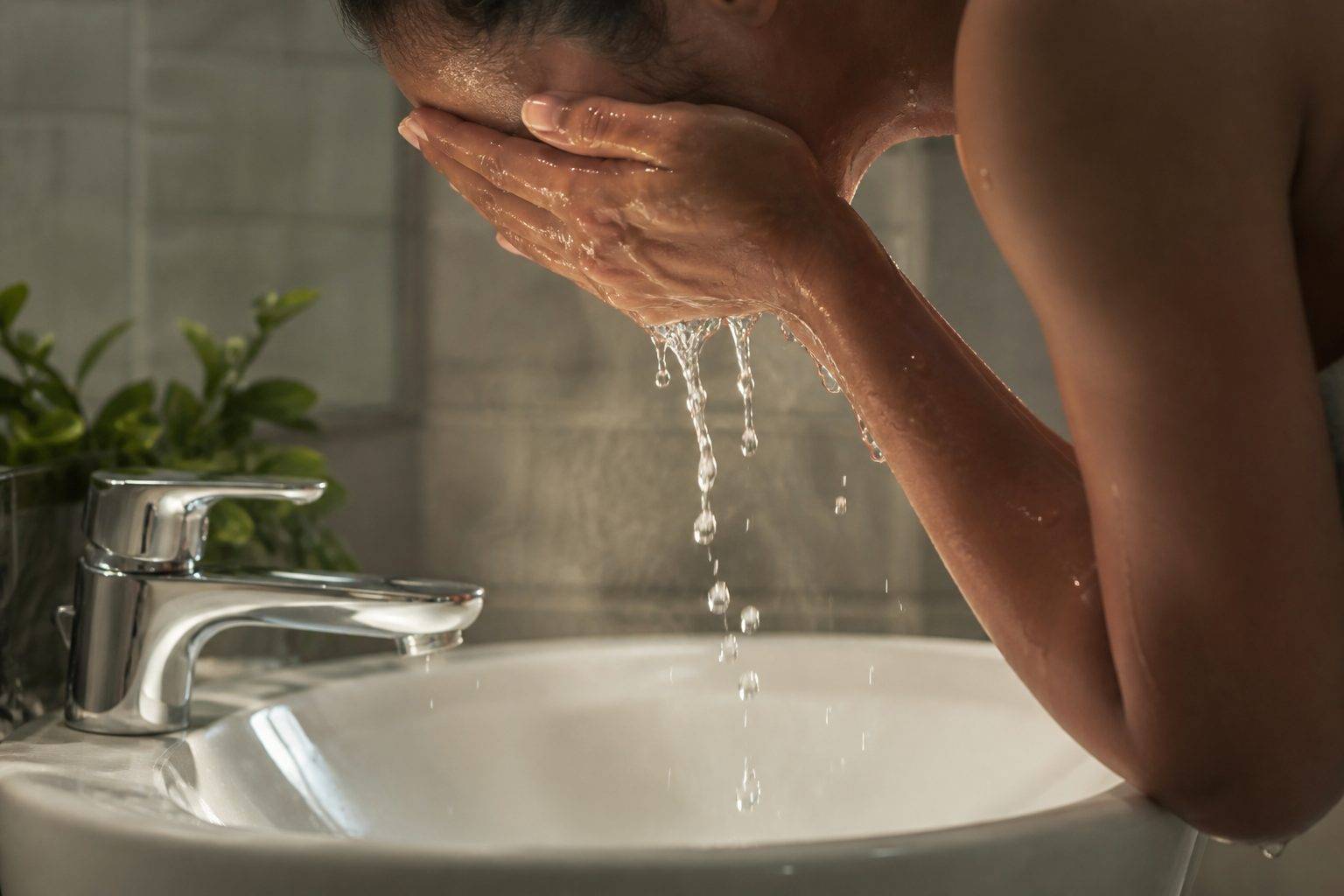
How to Unclog Pores
How to unclog pores with salicylic acid and a simple routine, plus how to tell clogged pores, blackheads and normal sebaceous filaments apart at home.
Barrier repair, moisturisers that last, and how to calm a reactive face.

How to Repair Your Skin Barrier
Skin stinging, tight and red? How to repair a damaged barrier: warning signs, ceramides that work, a simple AM/PM routine, and how long recovery takes.

Rosacea Skincare Routine
A rosacea routine is short: gentle cleanser, moisturiser, sunscreen, and one treatment.

Perioral Dermatitis
Perioral dermatitis is a bumpy red rash around the mouth and nose. Why less skincare helps, what to look for in a moisturiser, the steroid cream trap.
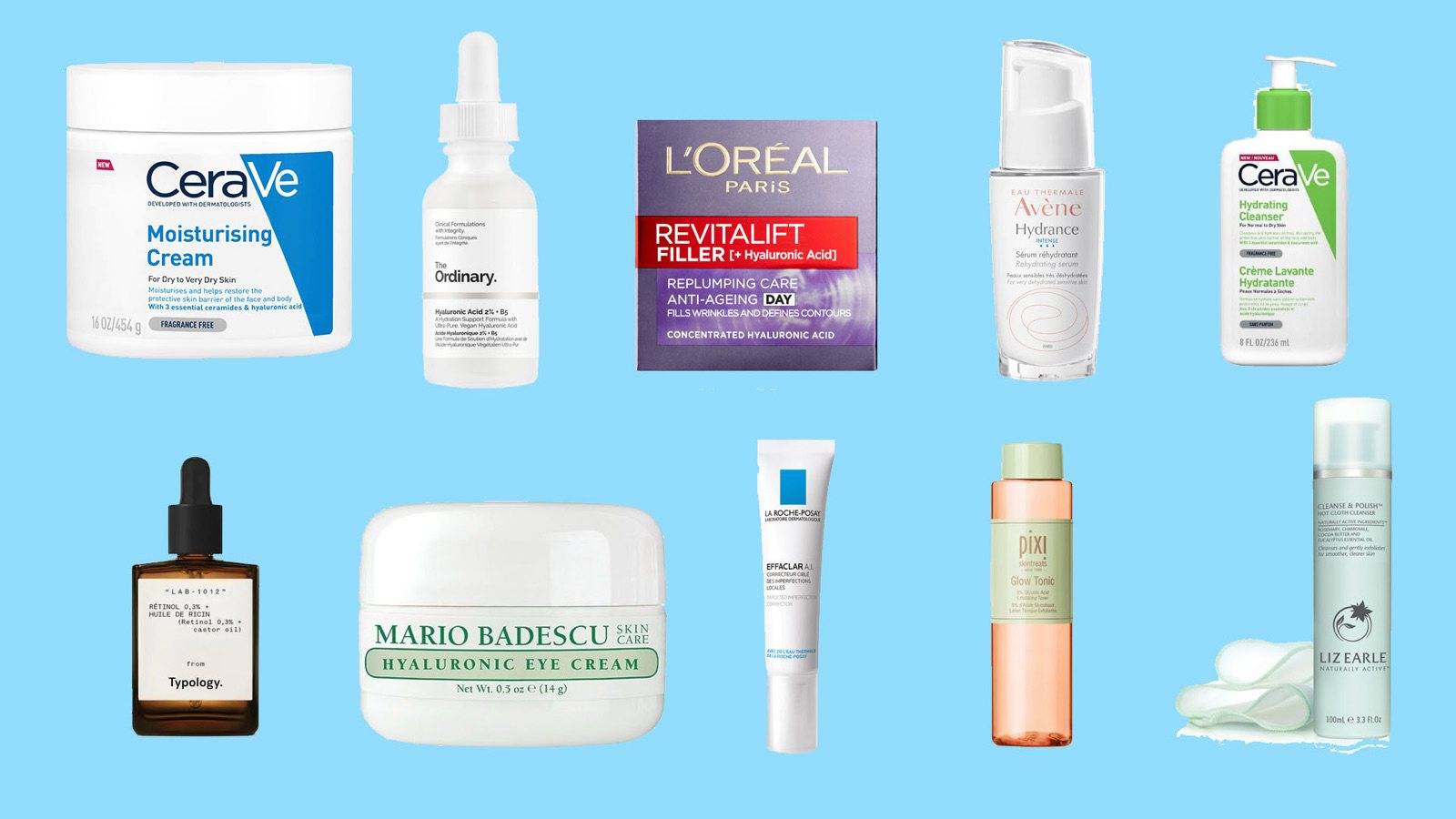
CeraVe vs Cetaphil
CeraVe and Cetaphil are both gentle, affordable and fragrance-free. How their cleansers and moisturisers differ, and which suits your skin type.
The step that matters most, and how to find an SPF you will actually wear.

Why is SPF/Sunscreen So Important?
Why SPF is the most important skincare step: how UV causes aging, dark spots and skin cancer, how much to apply, and the myths worth ignoring.
How Much Sunscreen to Use on Your Face and Body
Use about half a teaspoon of sunscreen for your face and neck and six to eight teaspoons for your body. Why the amount matters, and easy ways to measure it.

Best Korean Sunscreen in the UK
The best Korean sunscreens in the UK: Beauty of Joseon, Round Lab, COSRX, Missha and Isntree, with picks for oily, dry and sensitive skin.
Zinc Oxide vs Titanium Dioxide
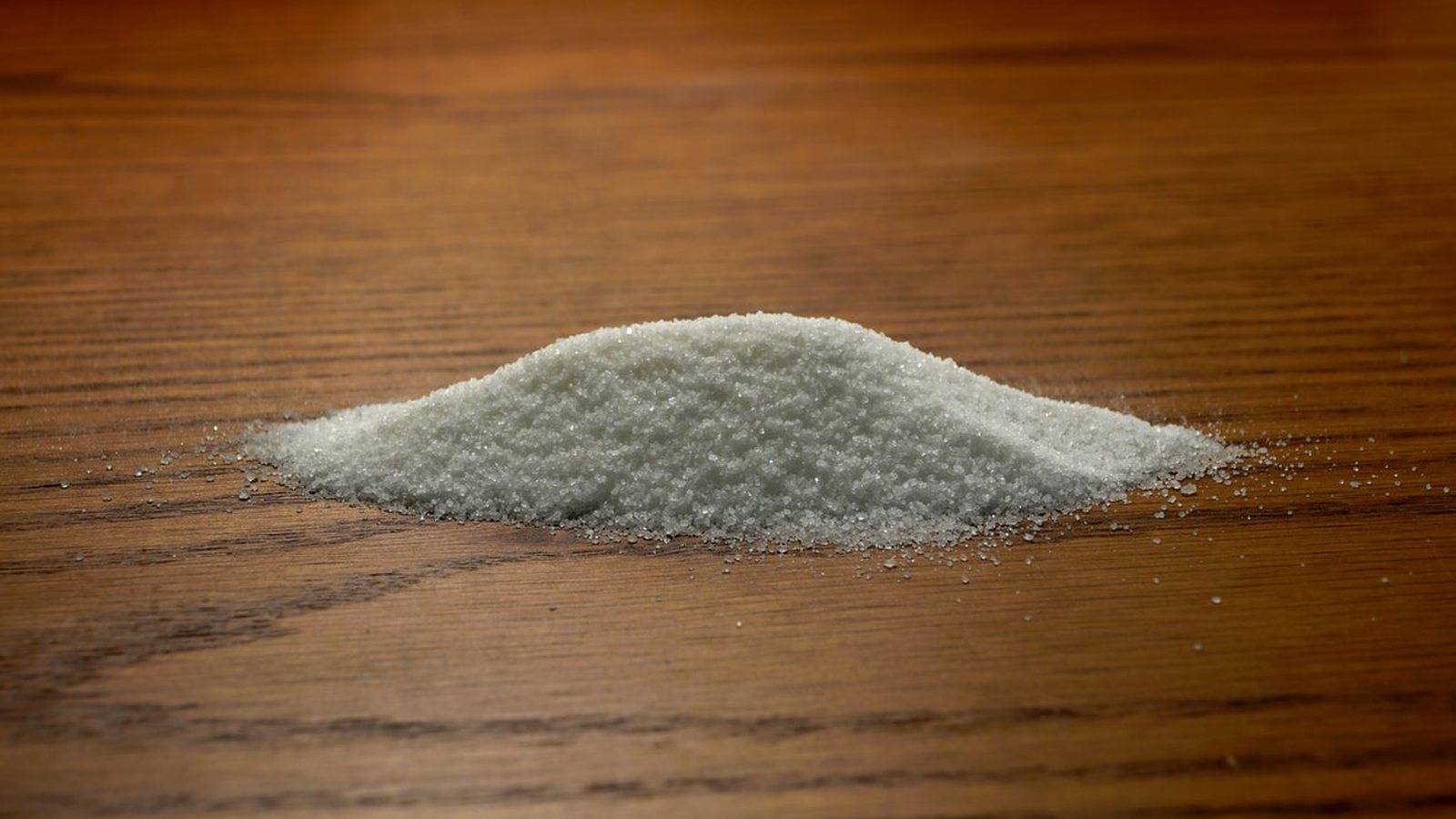
Zinc oxide covers more of the UVA range; titanium dioxide is stronger against UVB.
What each active does, how strong the evidence is, and what to pair it with.

Evidence-Based Skincare
Evidence based skin care without the marketing fog: proven ingredients, products worth buying, and popular treatments with weak or limited evidence today.

How Long Does Retinol Take to Work? A Week-by-Week Timeline
Retinol takes about 12 weeks to show visible results and keeps improving skin for a year. What to expect at 2, 4, 8, 12 and 24 weeks, and what slows it down.
Can You Use Vitamin C With Retinol or Tretinoin? Yes
Retinol and vitamin C don't cancel each other out. Why most people use vitamin C in the morning and retinol at night.
Can You Use Niacinamide With Retinol? Yes
Niacinamide and retinol can be used together, and niacinamide's barrier support may make retinol easier to tolerate.
Which bottles are worth it and how to put them together without irritation.
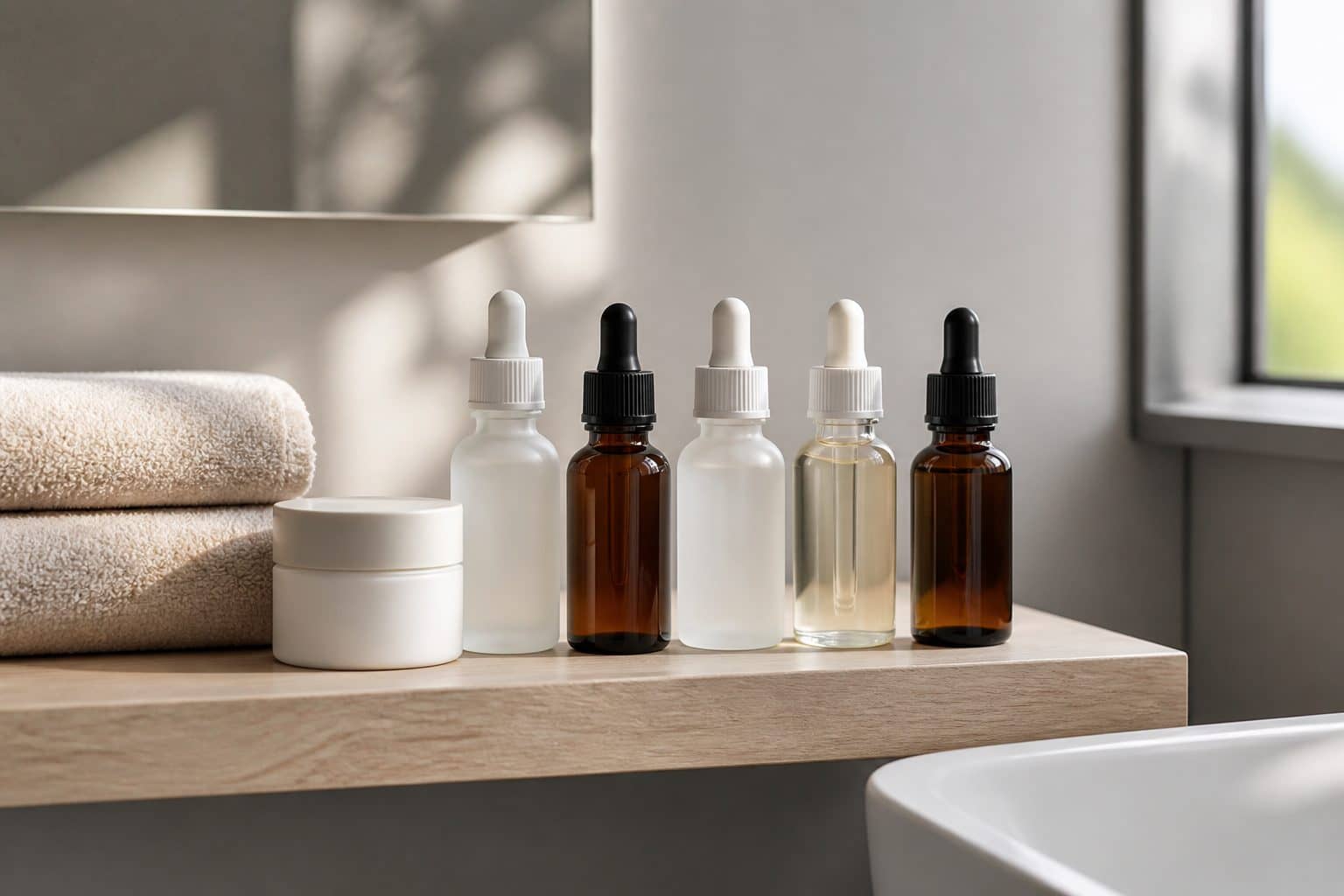
Best The Ordinary Products
My ranked guide to the best The Ordinary products in 2026: what each does, rough UK prices, who should buy it, and the overhyped formulas to skip in the UK.

The Ordinary Glycolic Acid 7% Toner
How to use The Ordinary Glycolic Acid 7% Exfoliating Toner: how often, at what step, what not to combine it with, who should skip it.

The Ordinary Multi-Peptide Serum for Hair Density
A formula-based review of The Ordinary's hair serum: what's in it, what evidence exists for the ingredients, how to use it, how long to give it.
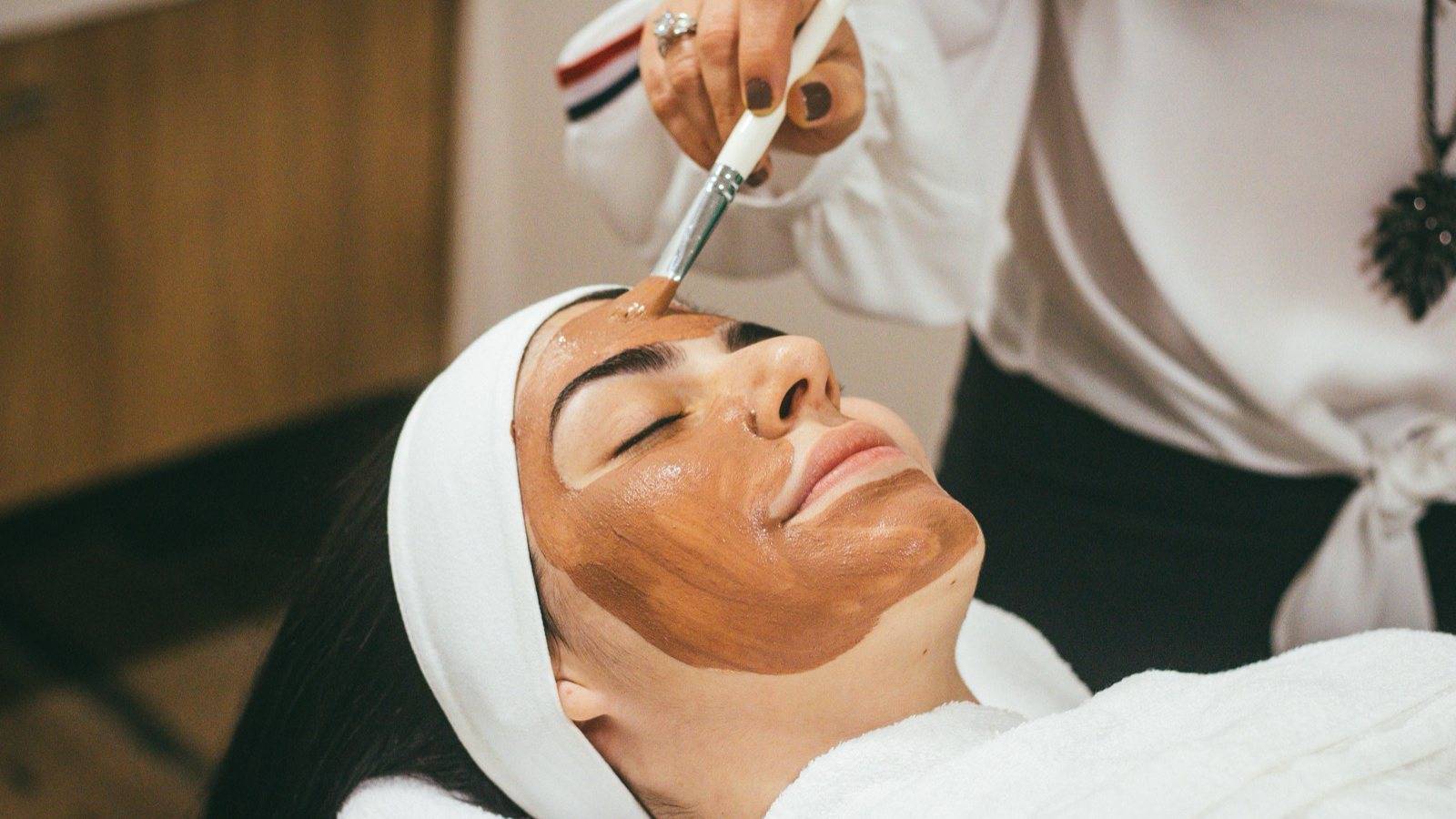
The Ordinary AHA 30% + BHA 2% Peeling Solution
How to use The Ordinary's red peeling solution: 10 minutes maximum, twice a week at most, on dry skin.
Where to start, what order to apply things in, and what you can skip.
How to Start a Skincare Routine
Starting skincare from zero? The three steps that actually matter, how to work out your skin type, what to buy for each step, and what to skip entirely.

Korean Skincare Routine
The Korean skincare routine explained step by step, from oil cleanser to sunscreen.
Skin Cycling
Skin cycling rotates an exfoliation night, a retinoid night and two recovery nights.

Glass Skin Routine
Glass skin is a Korean beauty term for smooth, even, very hydrated skin that reflects light.
Dark circles, pigmentation, wrinkles and texture: what helps and what does not.

Uneven Skin Tone
What causes uneven skin tone and how to fix it: the ingredients that fade pigmentation and redness, a simple routine, and realistic timelines.

Post-Inflammatory Hyperpigmentation
Post-inflammatory hyperpigmentation is the brown mark left after a spot, rash or injury.

Strawberry Legs
Strawberry legs are dark dots at the hair follicles, caused by clogged pores, shaving, keratosis pilaris or folliculitis.

Post-Inflammatory Hypopigmentation
Pale patches left after acne, eczema, burns or a procedure are post-inflammatory hypopigmentation. How long they last and how to tell them from vitiligo.
What each ingredient does, how good the evidence is, the strength that was studied, and how often it appears in real UK products.
Browse by topic
How we work
Every product checked
Each product in a buying guide is checked against the brand’s page, UK retailers and its published ingredients list, and dated.
Sources you can follow
Claims about what an ingredient does link to the studies behind them, with the strength that was tested.
Nobody pays to be included
No sponsored placements and no shop. If that ever changes, the page will say so at the top.